
Favourite Fujifilm Simulation Recipes For The 1st Gen X-Trans Sensors (X-Pro1, X-E1)
Free Fujifilm simulation recipes and sample images for the X-Pro1 and X-E1, built to get more character out of the original X-Trans sensor.

Table of Contents
The first-generation Fujifilm X-Trans
The first-generation Fujifilm X-Trans sensor still has something special.
Not because it is technically better than newer cameras. It is not. Newer Fujifilm cameras are faster, cleaner, sharper, and far more capable.
But photography is not only about capability. Sometimes the limitations are part of the charm.
The Fujifilm X-Pro1 and X-E1 have an older, more organic look that still feels beautiful today. The files have a softness, colour, and texture that can be hard to describe, but easy to feel.
That is why these cameras are still interesting. Not because they are perfect. Because they have character.
The Problem With Older Fujifilm Cameras
My favourite everyday Fujifilm simulations are Classic Chrome and Acros.
I used them constantly on the X100T/X100F during my years abroad, and I still use them on newer Fujifilm cameras like the my X-Pro3.
Classic Chrome gives colour a quieter, more documentary feeling, while Acros gives black and white images more depth, contrast, and mood.
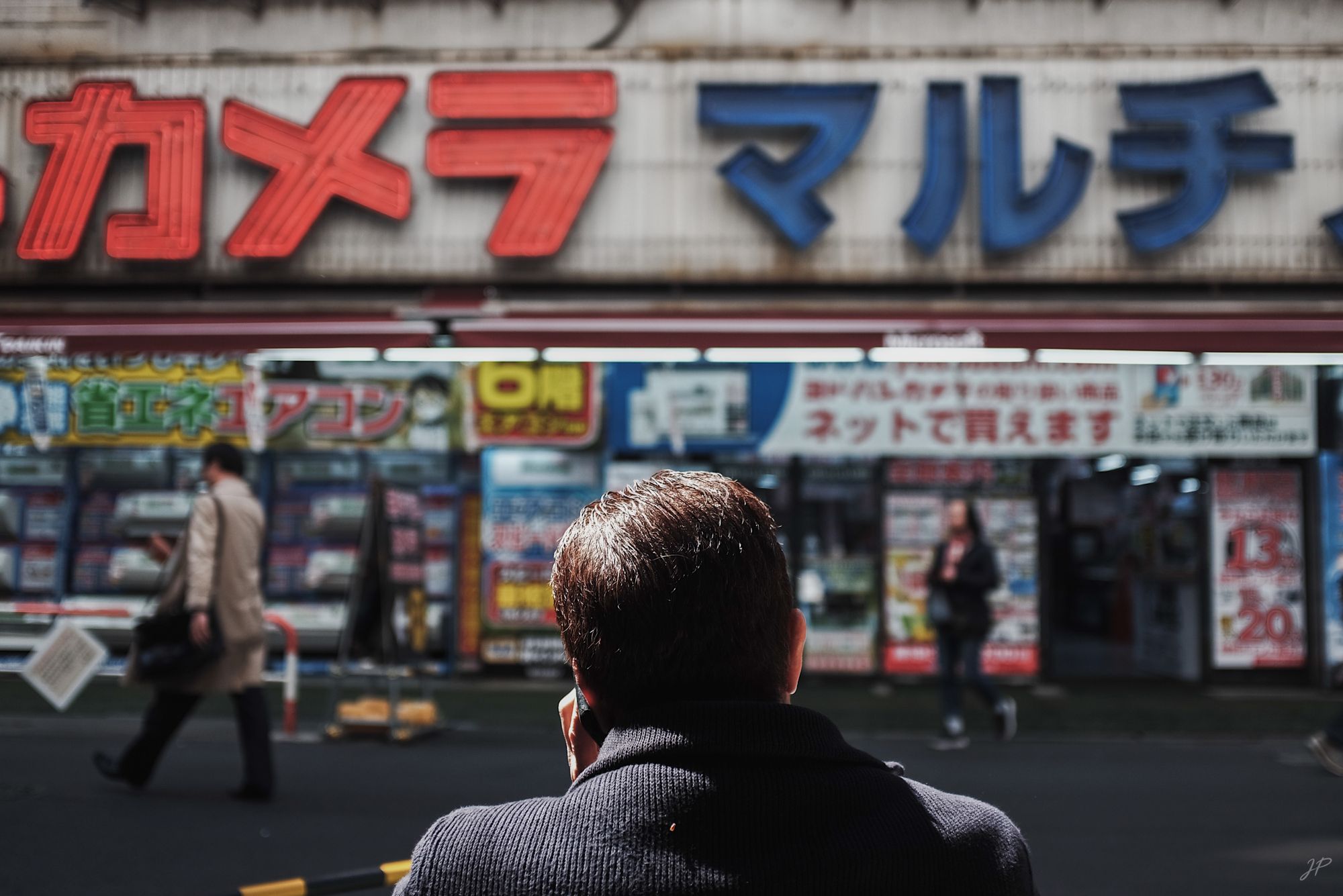

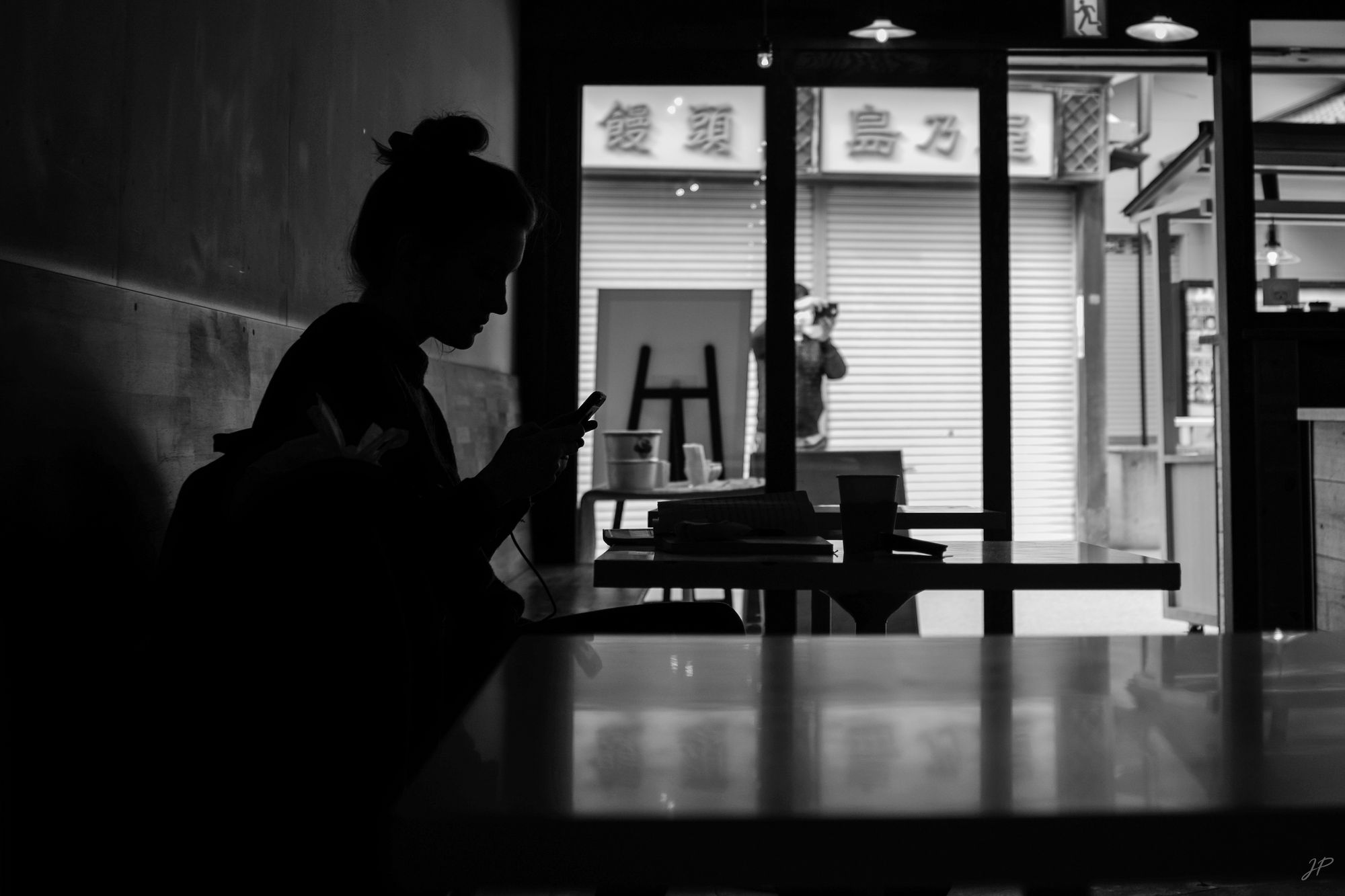
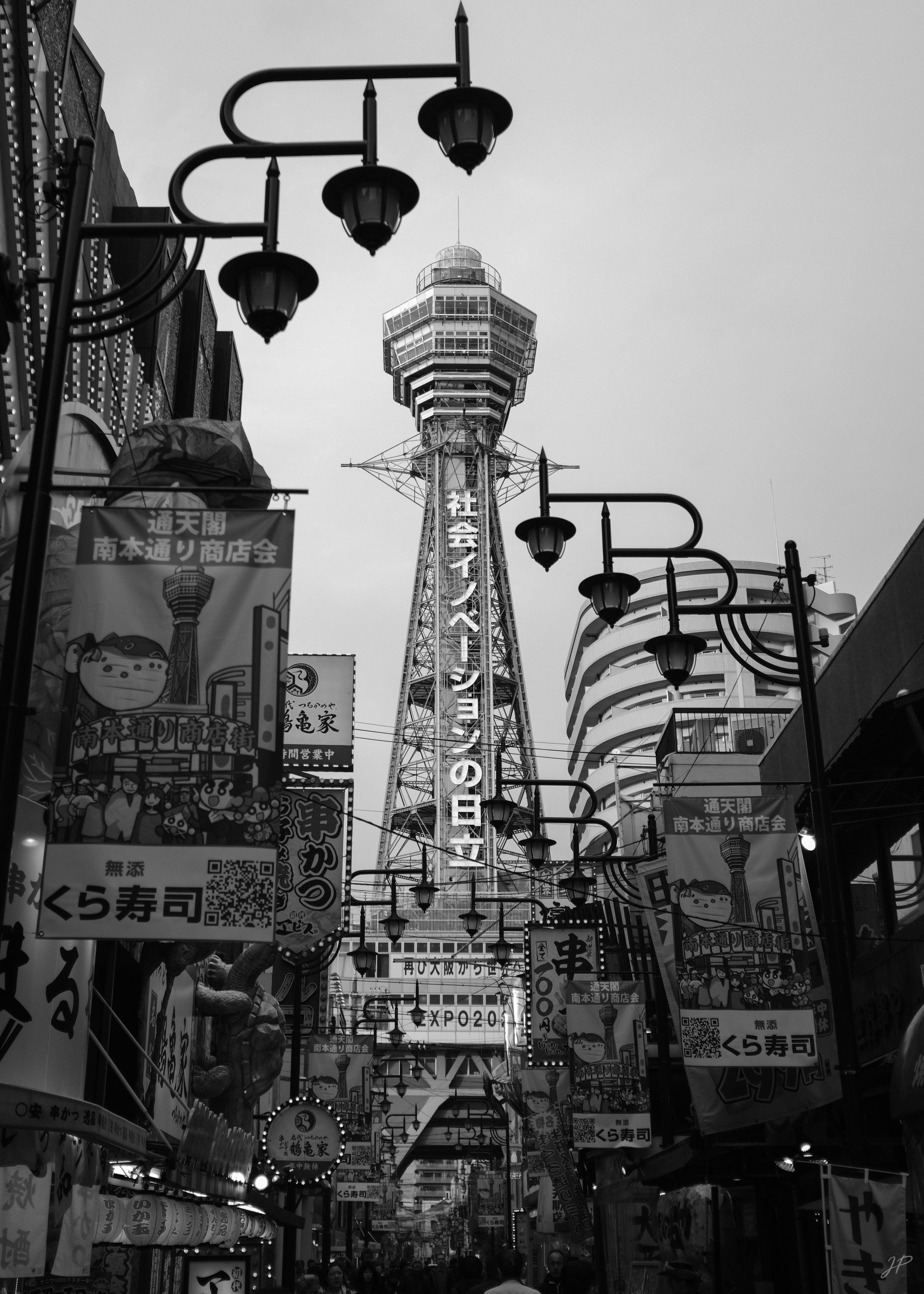



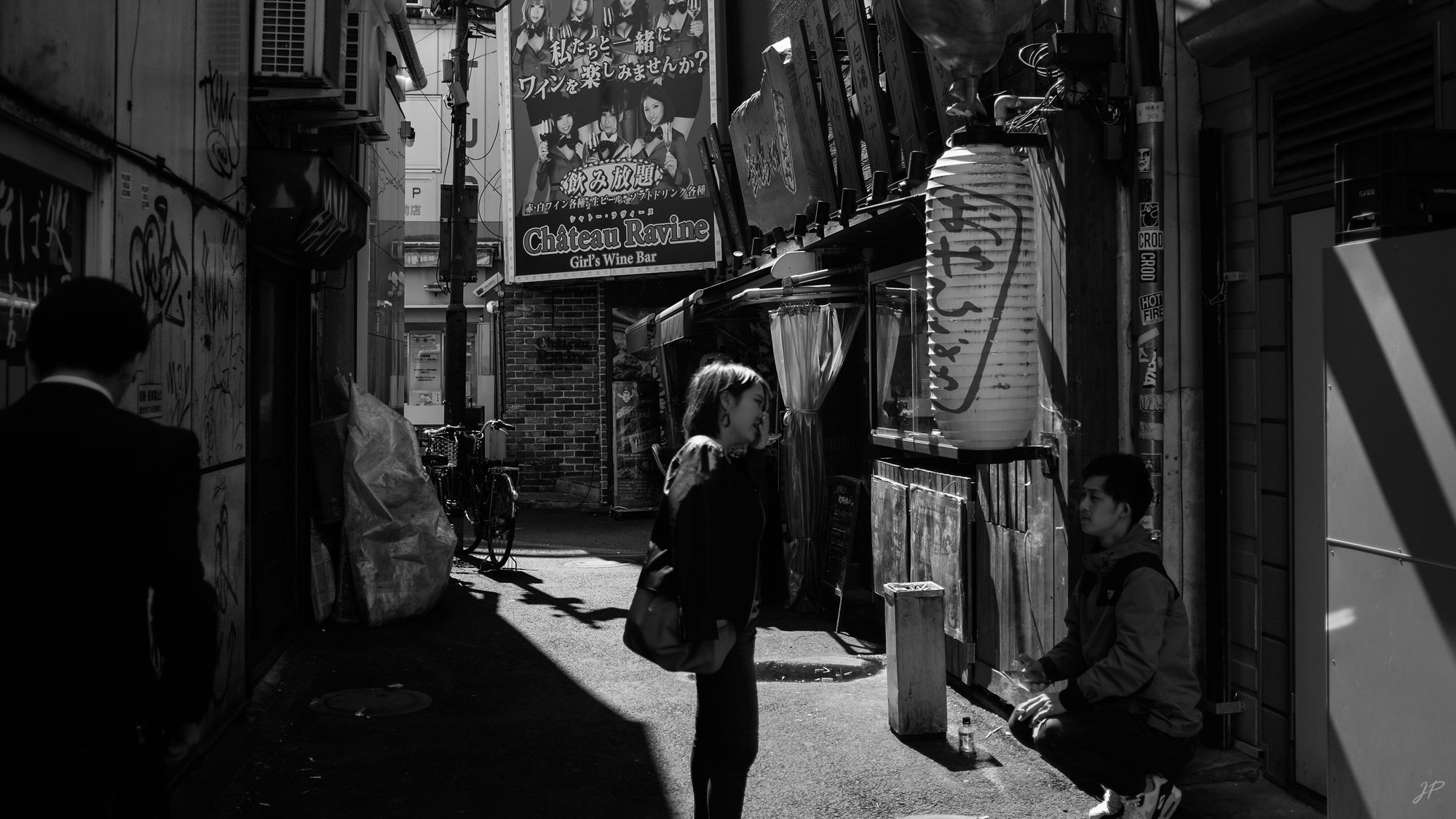
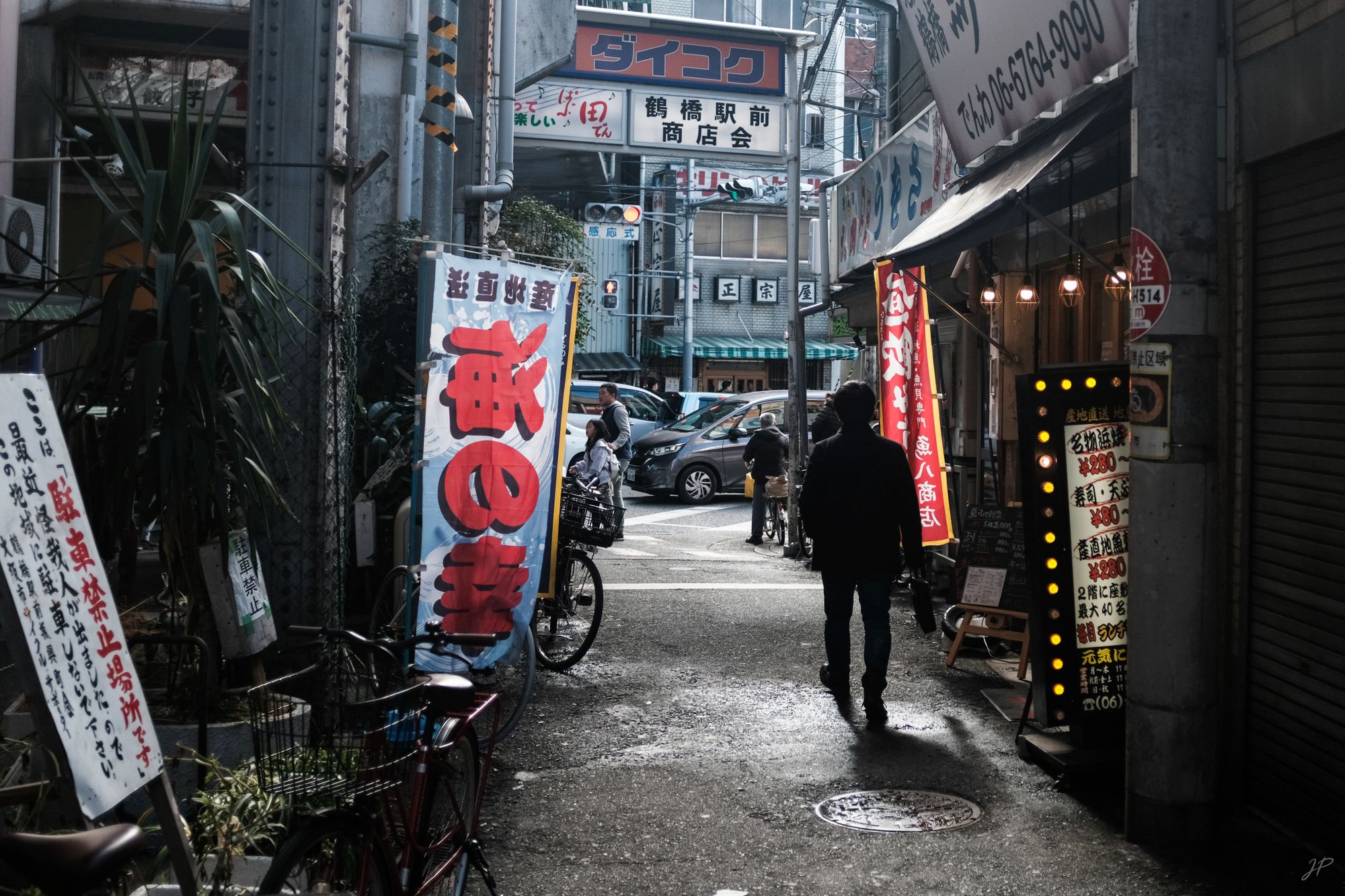
Some of my Classic Chrome & Acros Photographs - X100T & X100F
The problem is simple:
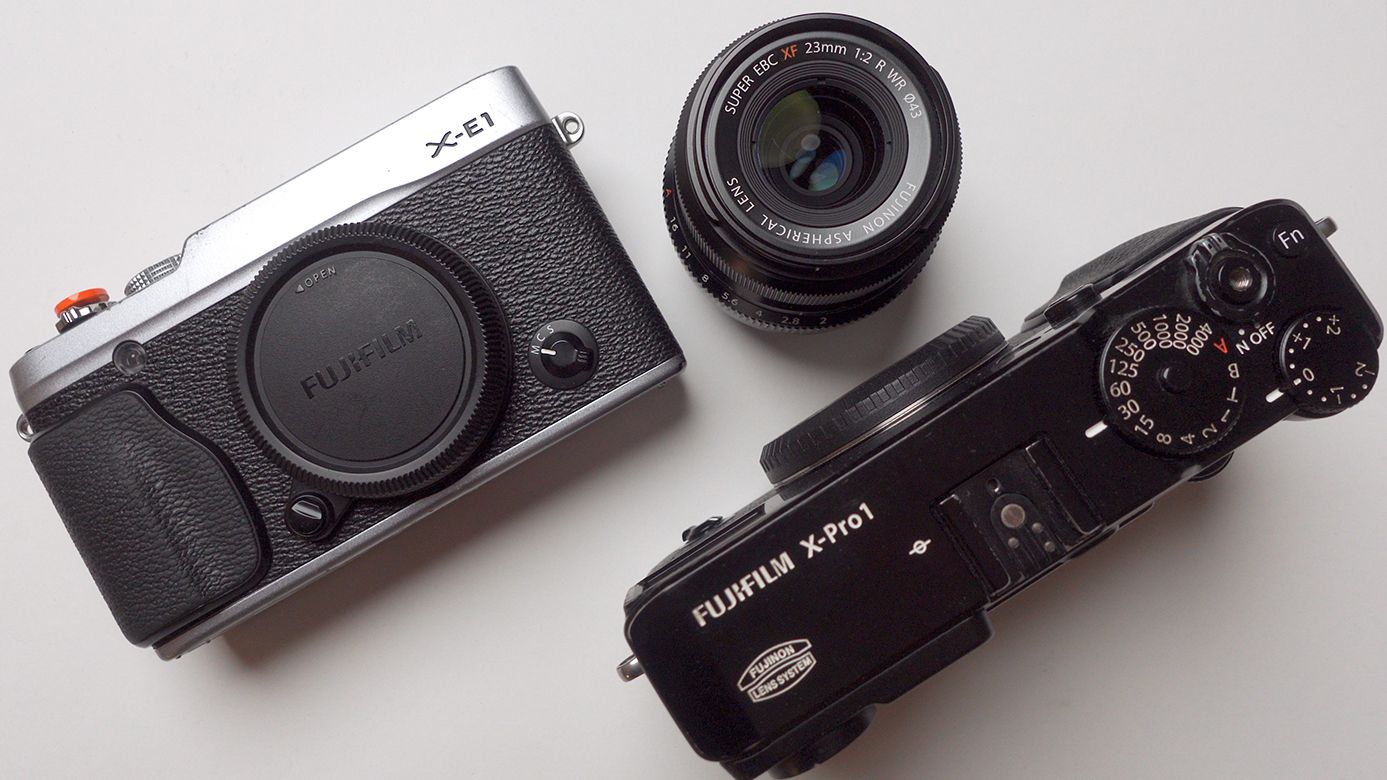
The X-Pro1 and X-E1 do not have Classic Chrome or Acros built in.
So if you want that kind of look on the first-generation X-Trans cameras, you have to build it yourself.
That is where custom film simulation recipes become useful. Not as magic presets. Not as a replacement for vision, but just as a way to make the camera feel closer to the way you want to see.
"Dark Knight” — My Custom Across-like, Black & White Recipe
This is my custom black and white recipe for the X-Pro1 and X-E1.
I call it Dark Knight.
The goal is simple: create a contrasty, pleasing black and white look that gets close to the feeling of Acros on newer Fujifilm cameras.
It is not a perfect copy. It is not trying to be.
It is a practical black and white setup that gives older Fujifilm cameras a stronger, moodier look straight out of camera.
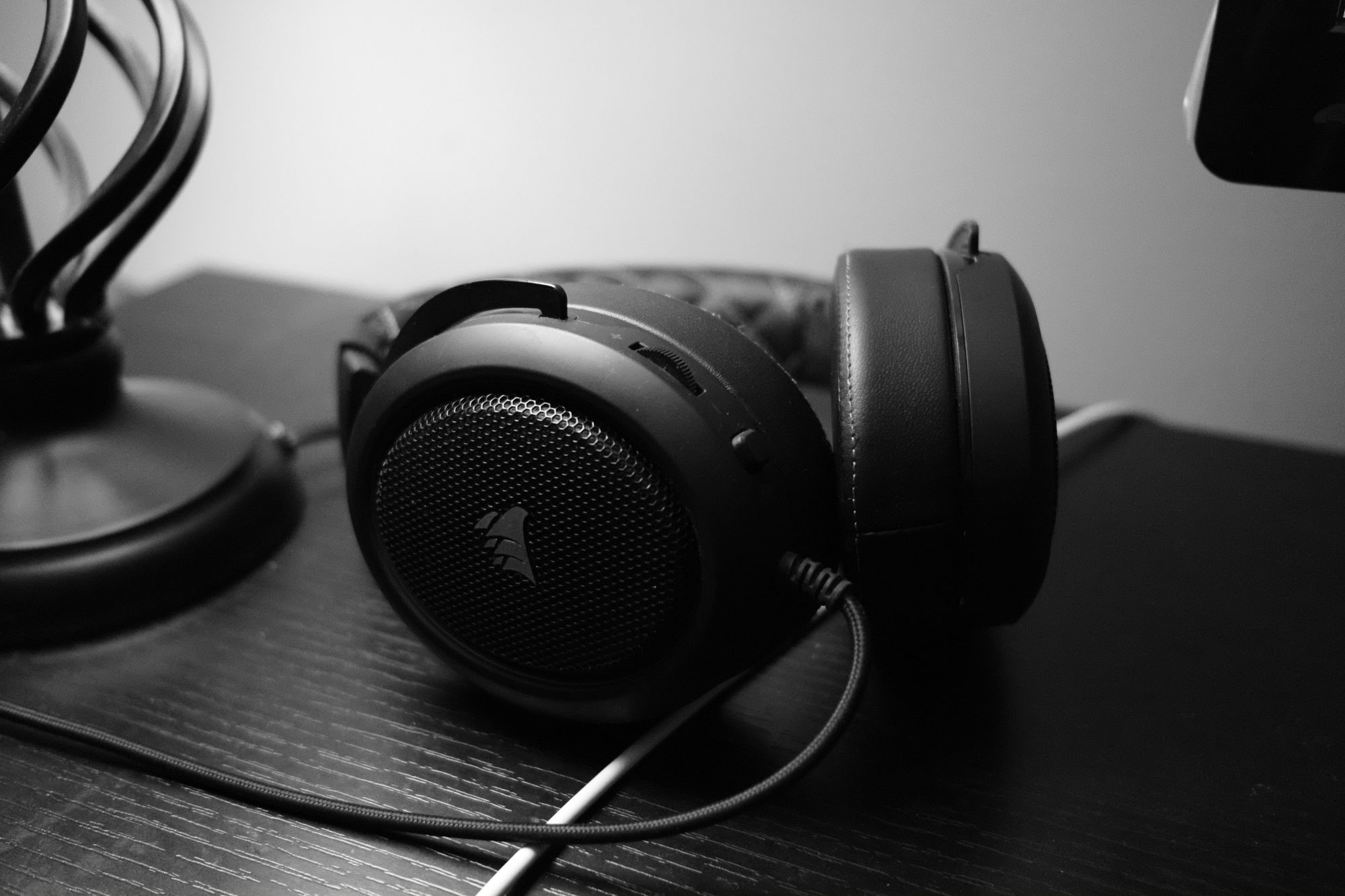
Dark Knight Settings
- Base Simulation: Monochrome
- ISO: Keep it low when possible
- Dynamic Range: DR100
- Sharpness: -1
If you do not plan to edit the photos, you can leave this at 0. - Highlight Tone: +2
- Shadow Tone: +2
- Noise Reduction: -2
I usually recommend setting noise reduction to -2 on older Fujifilm cameras. The files tend to look better with less in-camera smoothing, and you can always add noise reduction later if needed.
Dark Knight Sample Gallery — Fujifilm X-Pro1
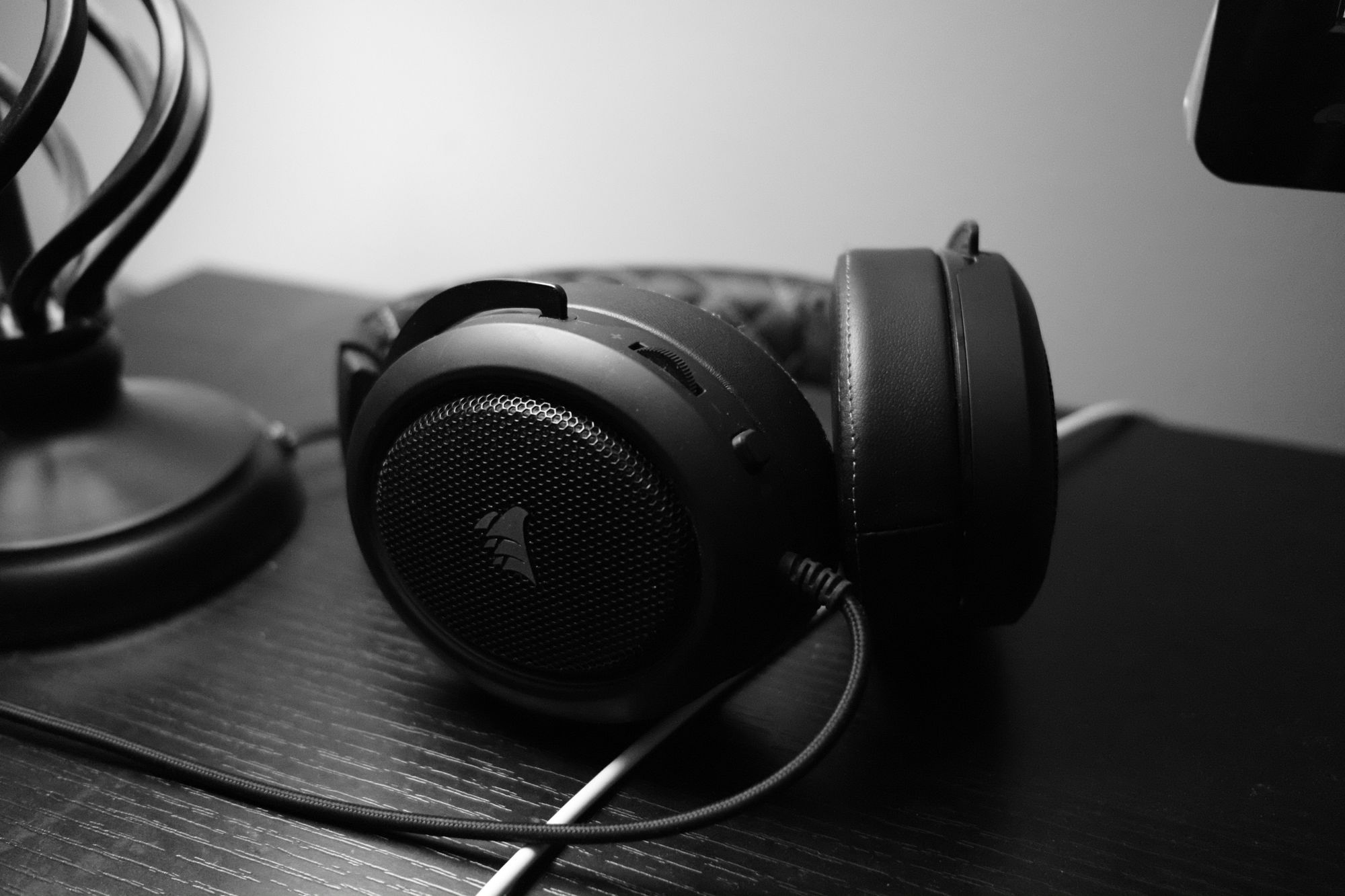
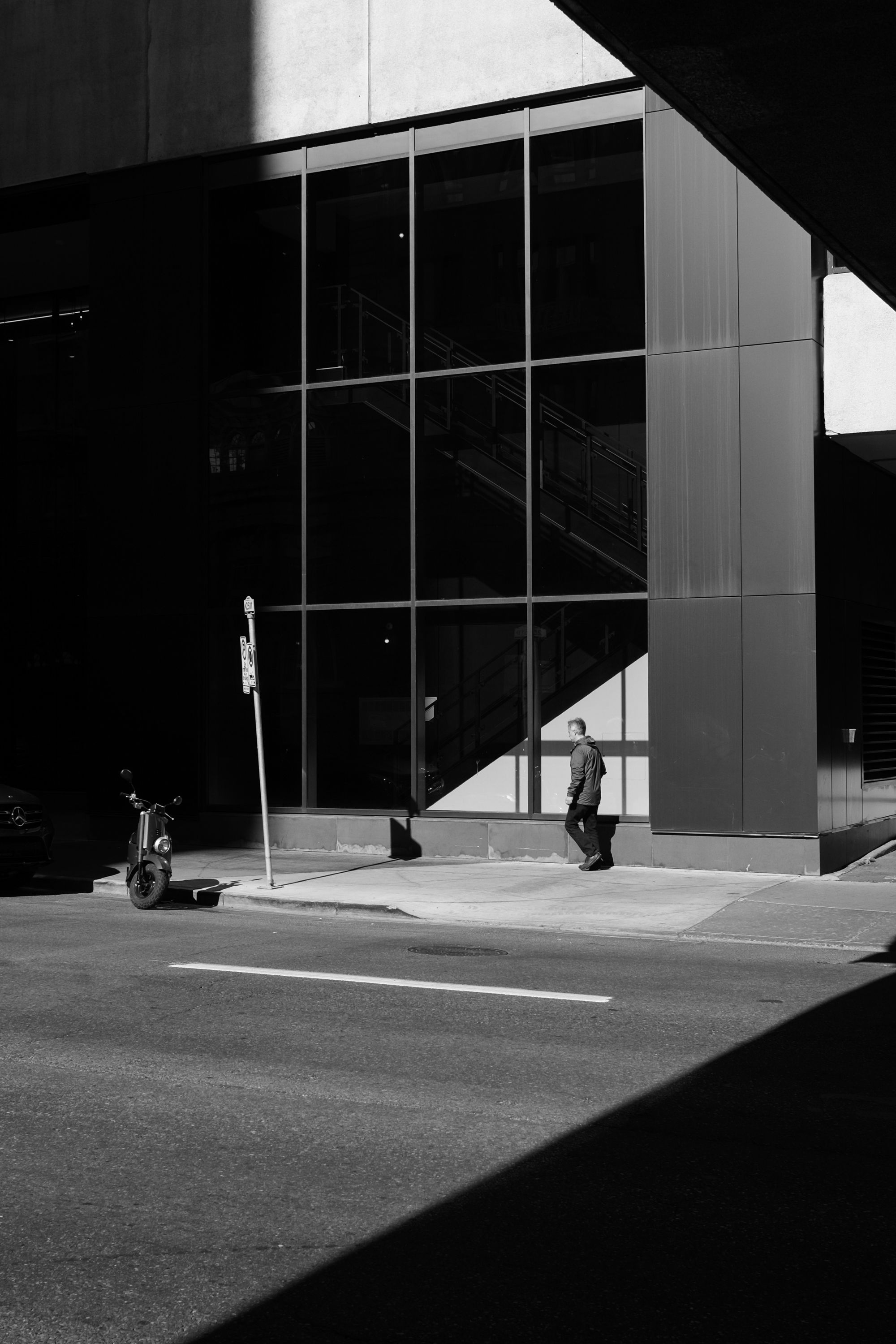
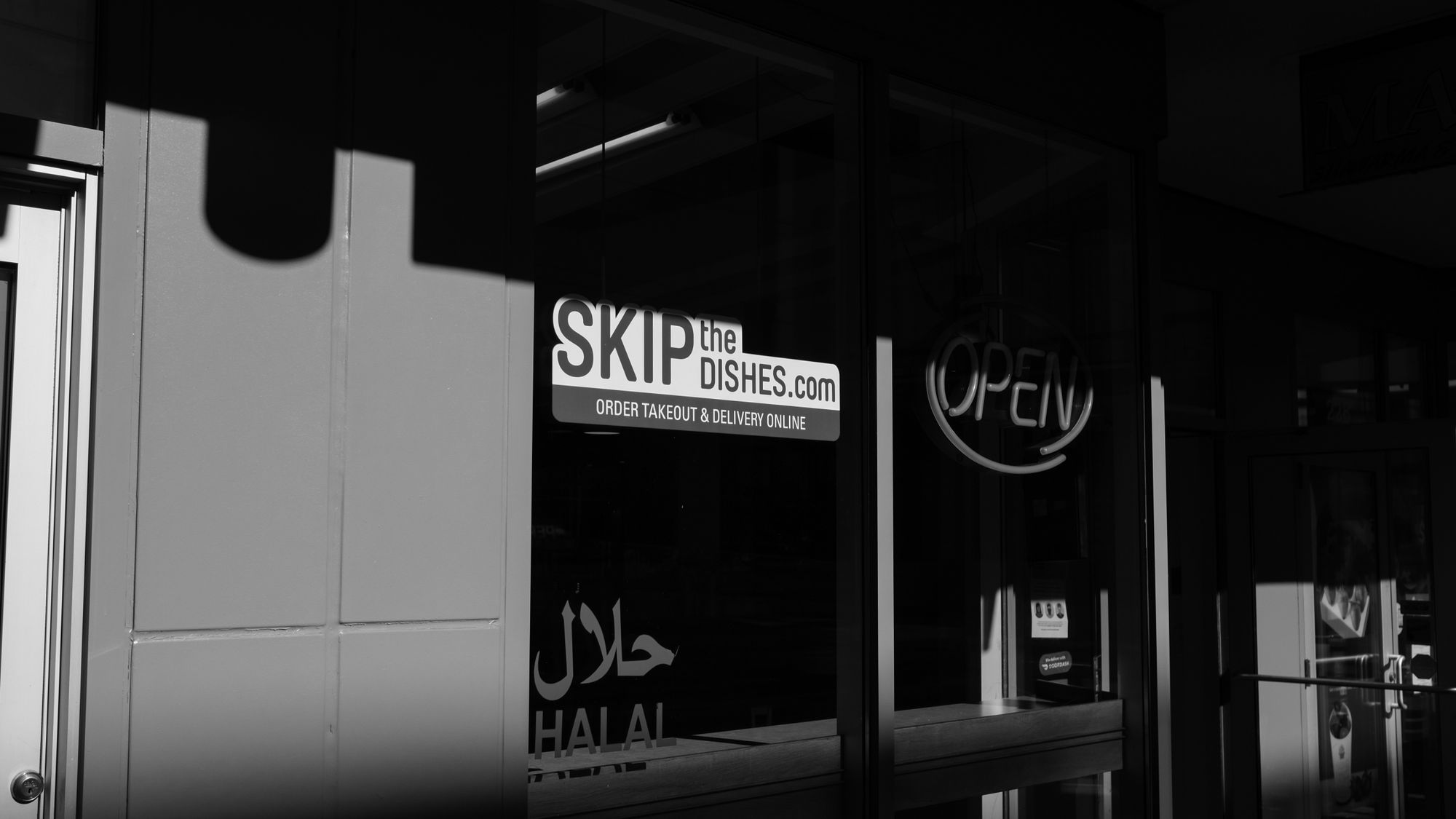
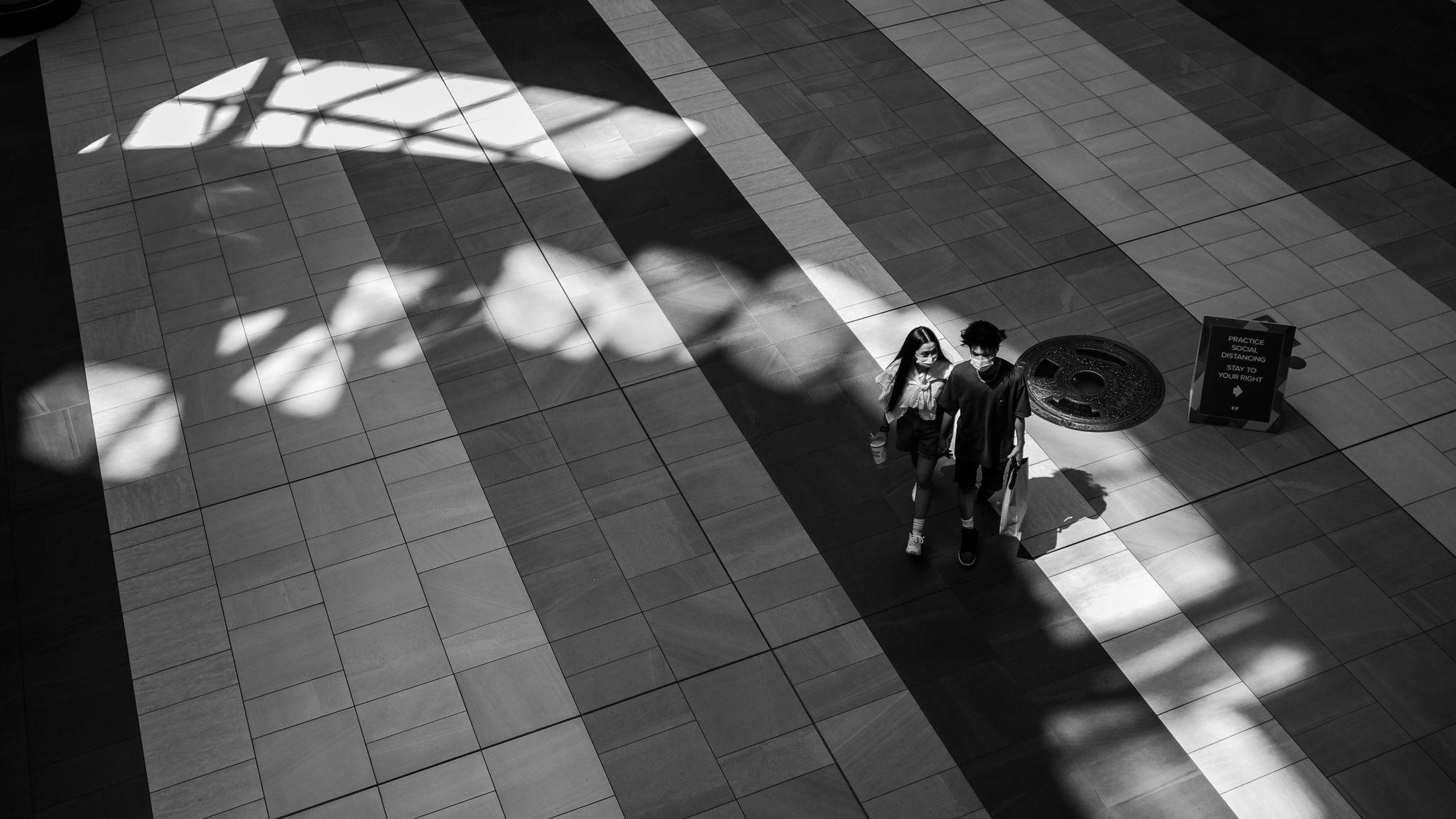

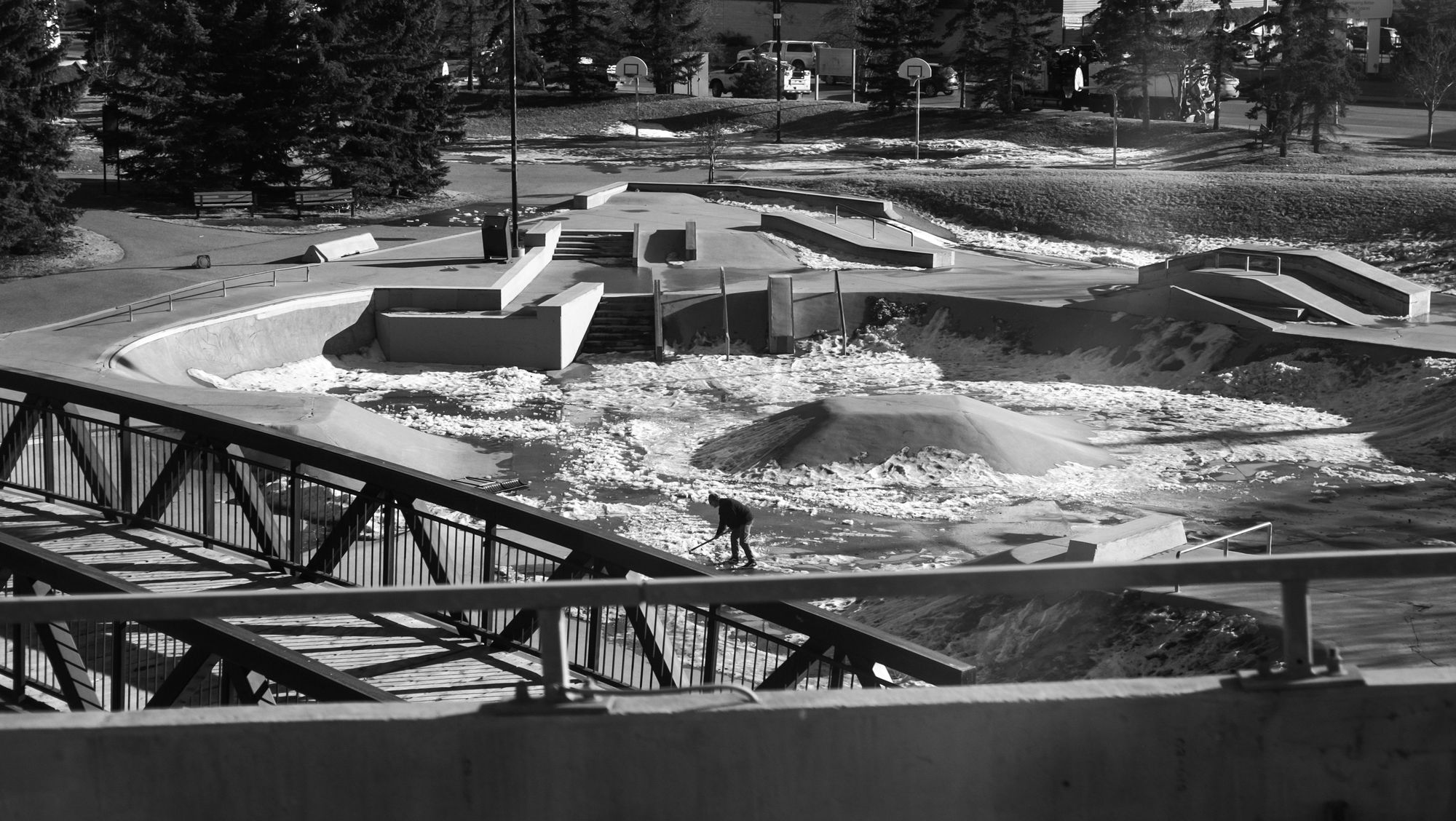
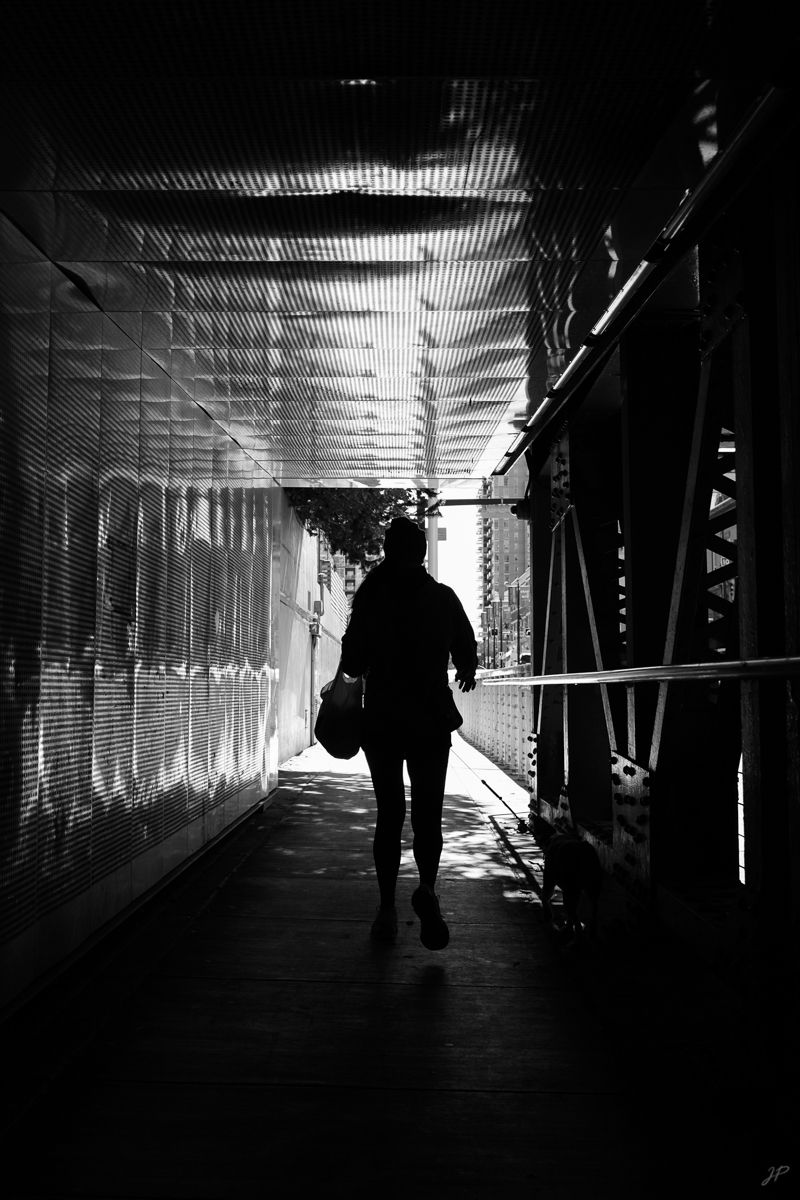
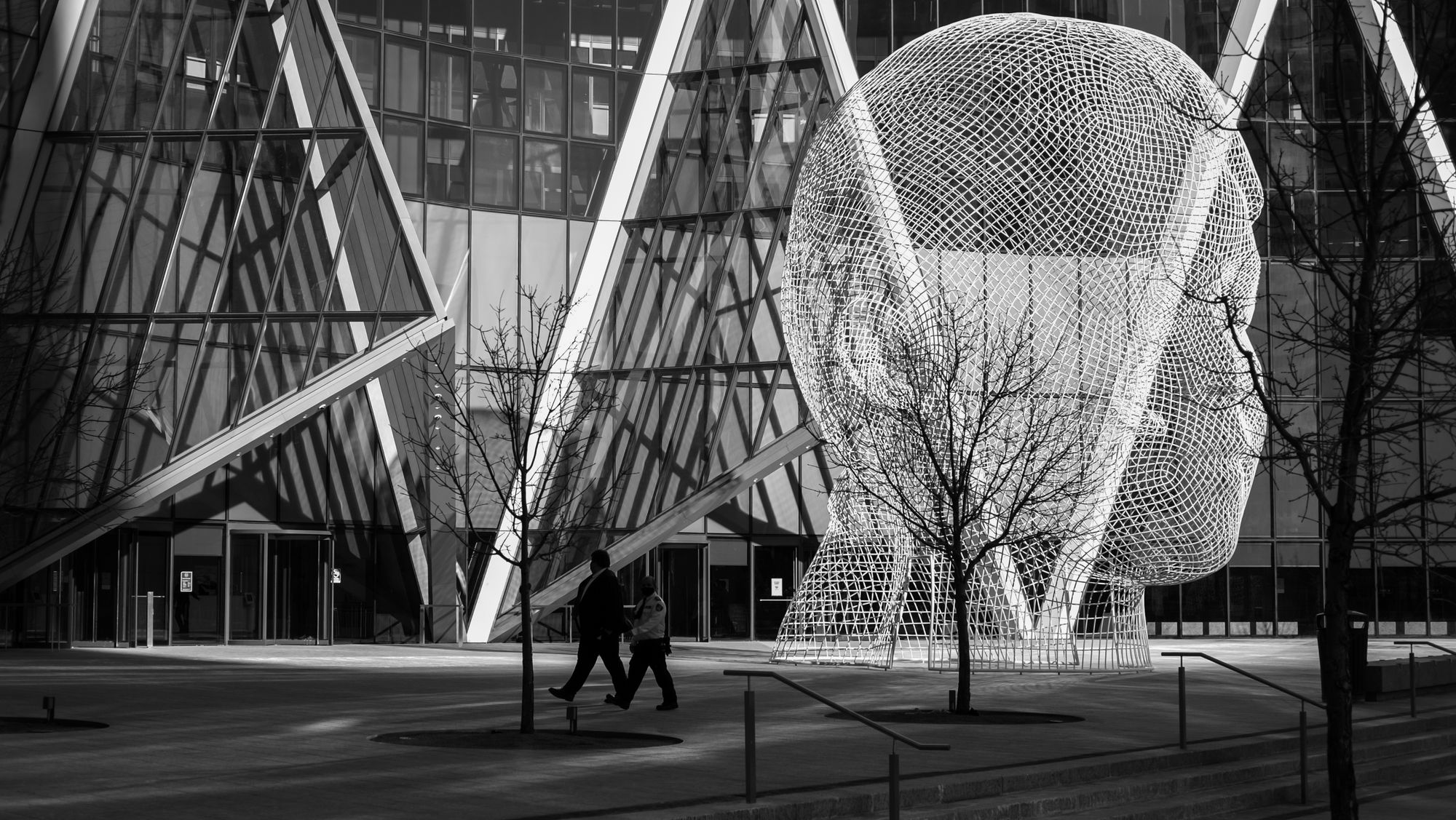
Shot with the Fujifilm X-Pro1
These photographs were shot with the Fujifilm X-Pro1 using the Fujinon 23mm f/2 and 35mm f/2 lenses.
- No filters.
- No heavy editing.
- No complicated workflow.
Just the camera, the recipe, and the light that was there. What you see is what you get.
Dark Knight Sample Gallery — Fujifilm X-E1
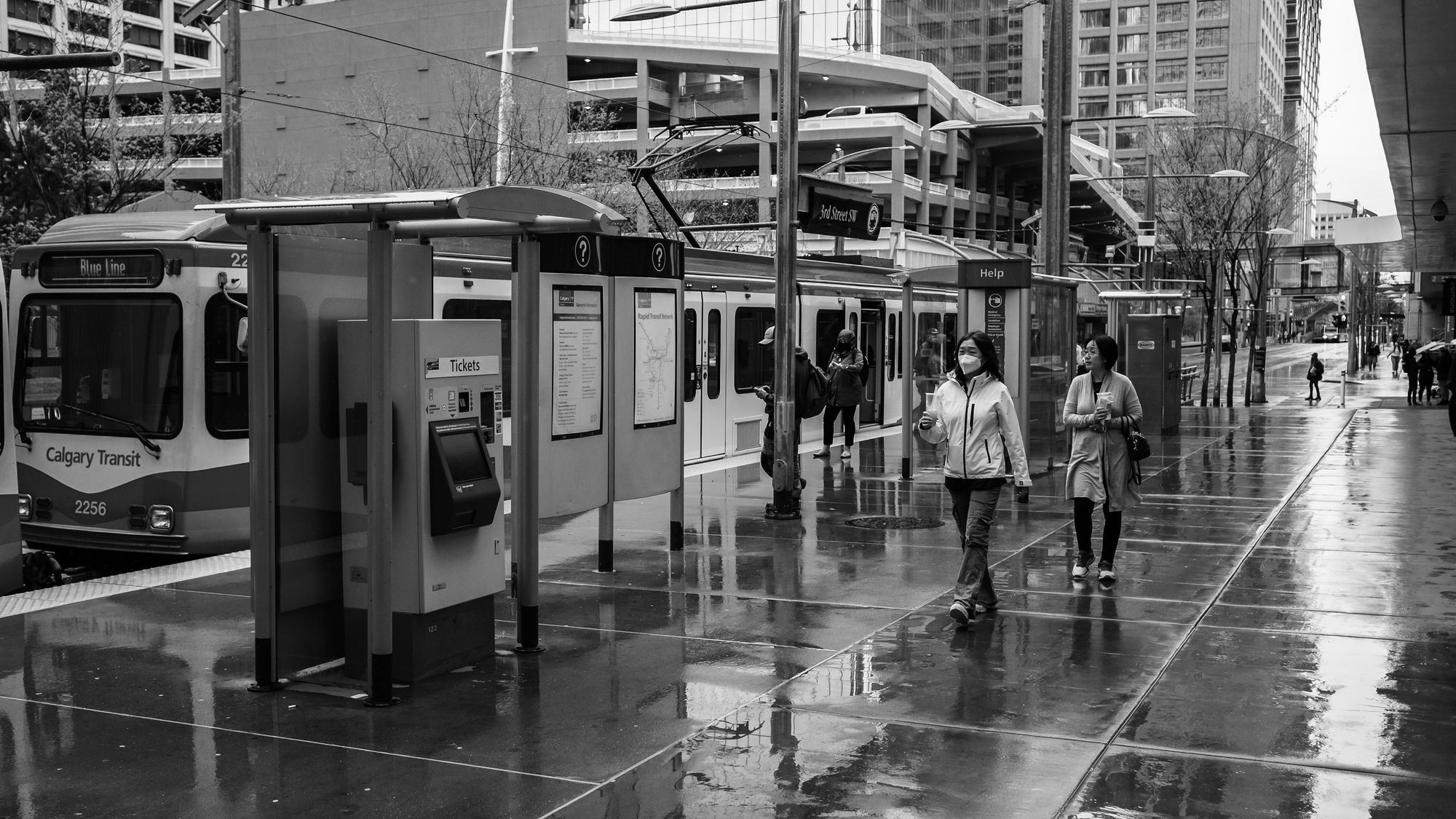
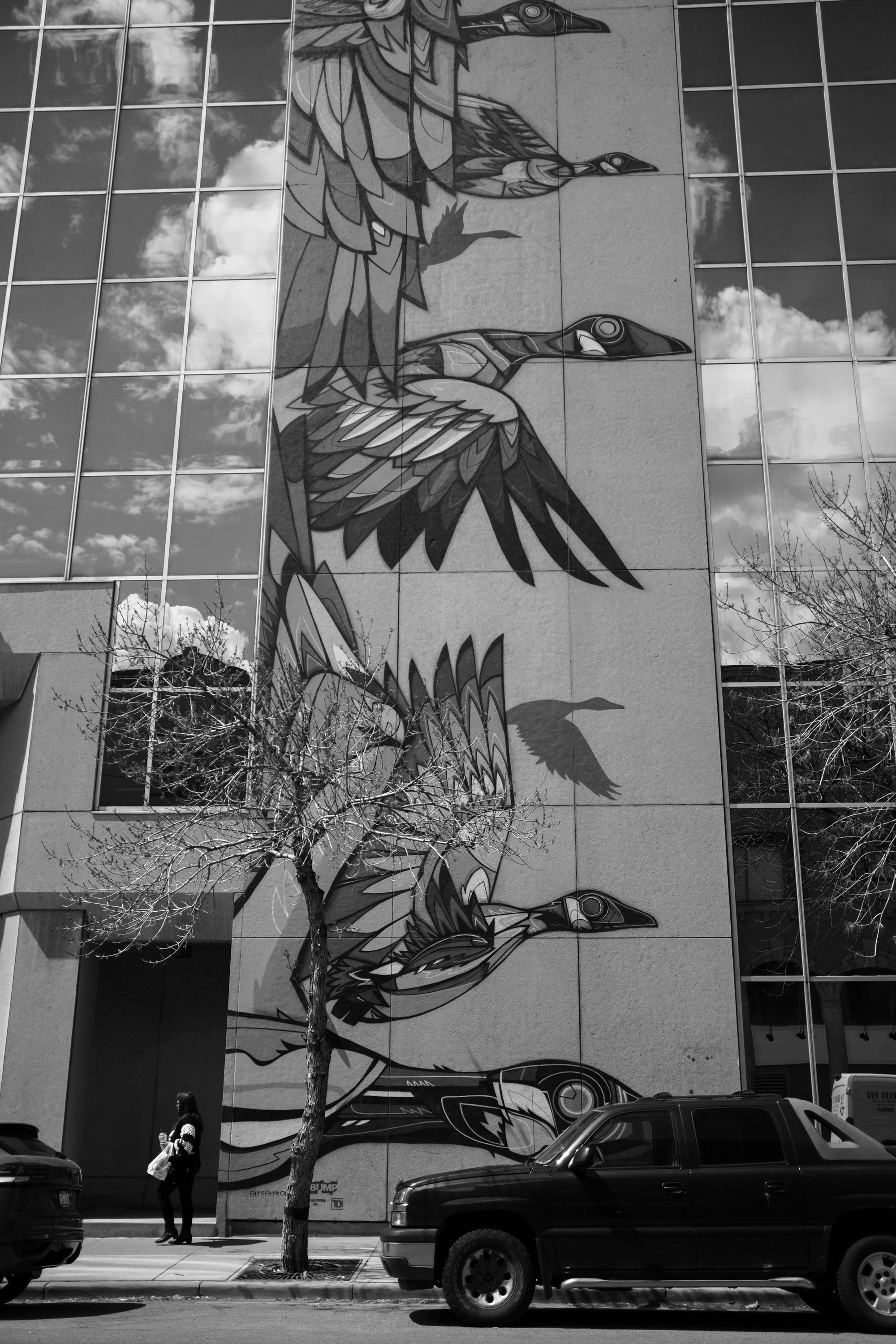
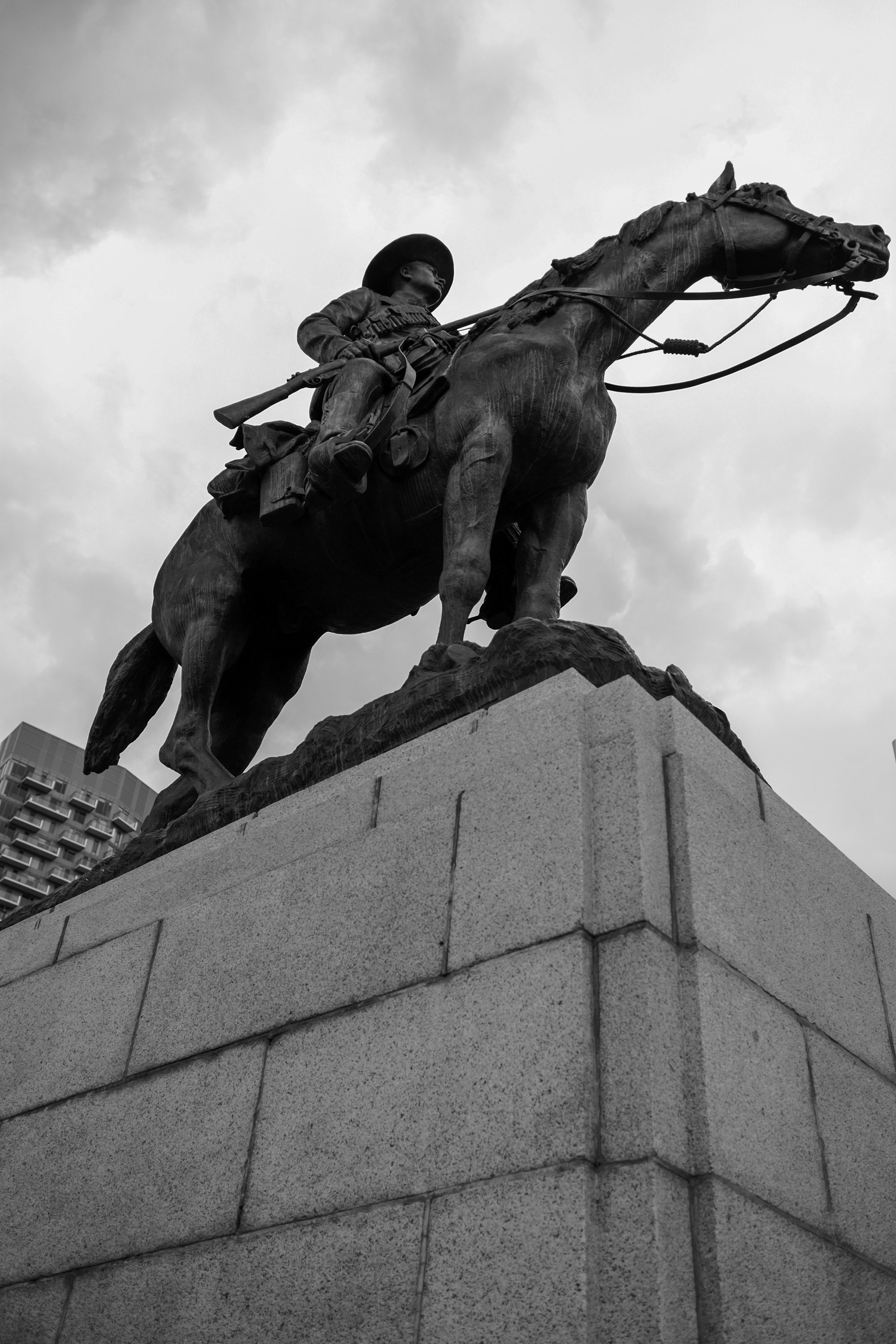



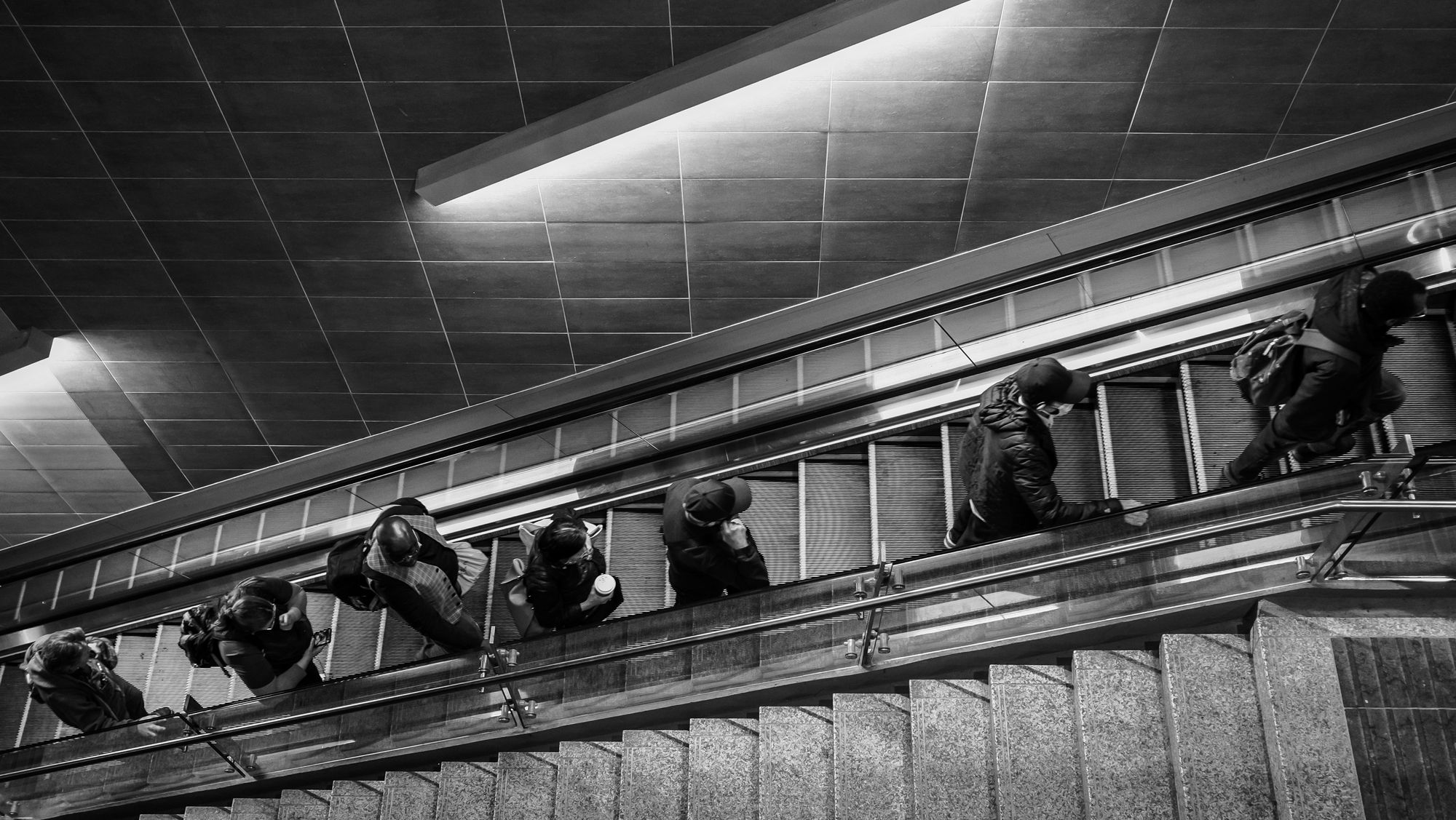
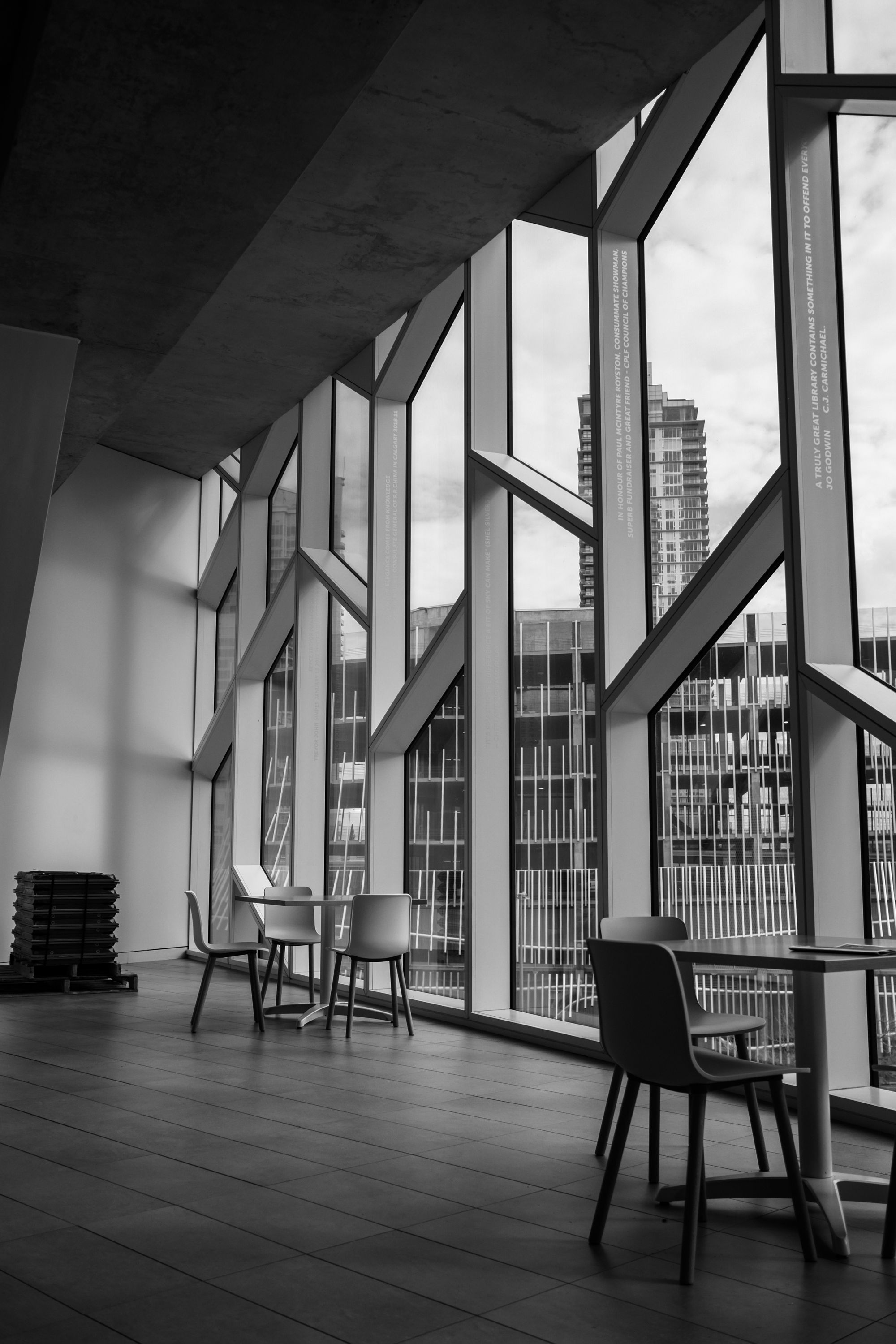
Shot with the Fujifilm XE-1
These photographs were shot with the Fujifilm X-E1 using the Fujinon 23mm f/2 and the 7Artisans 25mm lens.
Again, no filters and no real post-production. The point of these recipes is not to create a perfect file.
The point is to make the camera feel good enough that you stop thinking about settings and start paying attention to the photograph.
“Faux Classic Chrome” — A Classic Chrome-Inspired Recipe
Classic Chrome is one of Fujifilm’s best film simulations.
It is muted without feeling dead. Colourful without being loud. Documentary without trying too hard.
It is one of those looks that makes you want to photograph ordinary things.
The X-Pro1 and X-E1 do not have Classic Chrome, but Fuji X Weekly created a recipe that gets close using the older X-Trans I sensor.
I used this recipe while reviewing the X-Pro1 because I wanted something closer to the look I was used to on newer Fujifilm cameras.

Faux Classic Chrome Settings
- Base Simulation: Pro Neg. Std
- Dynamic Range: DR200
- White Balance: Auto, 0 Red, -1 Blue
- Colour: +1
- Sharpness: 0
- Highlight Tone: +1
- Shadow Tone: +1
- Noise Reduction: -2
Credit where it is due: this recipe comes from Fuji X Weekly.
Classic Chrome for Those Who Don’t Have It — Fuji X Weekly
 Ritchie Roesch
Faux Classic Chrome Sample Gallery

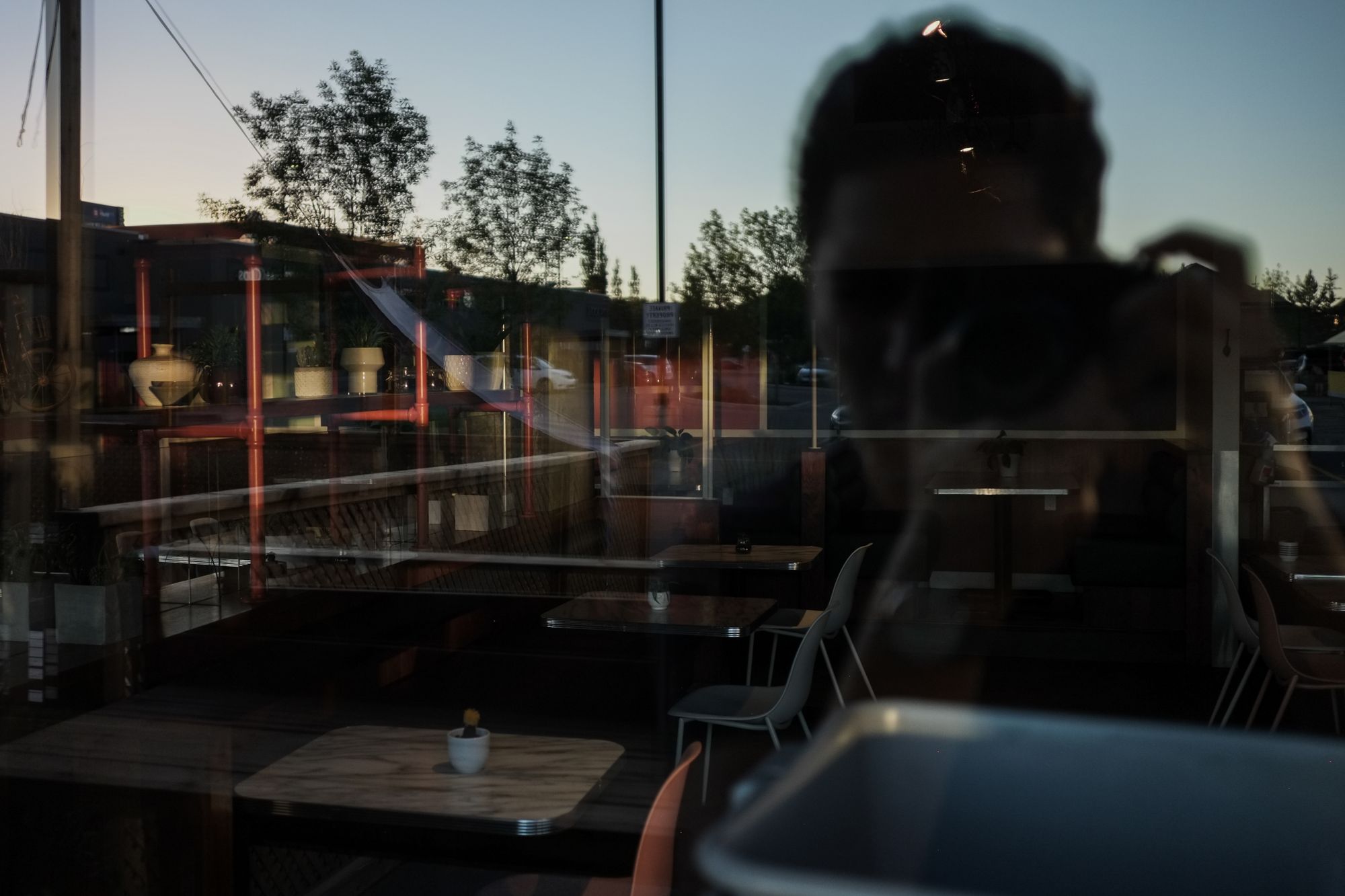






Shot with the X-Pro1 - "Faux Classic Chrome" Simulation
These images were shot with the Fujifilm X-Pro1 using the Fujinon 23mm f/2 and 35mm f/2 lenses.
- No filters.
- No heavy editing.
- Just the recipe saved in-camera.
That is the beauty of Fujifilm when it works well. You spend less time fixing the image later and more time being present when you make it.
Why Film Simulation Recipes Matter
Film simulation recipes are not the point of photography. But they can help.
A good recipe gives you a starting point. It gives the camera a certain mood. It helps you build consistency. It lets you react faster because you are not constantly wondering how the final image might look.
That matters... Especially with older cameras.
The X-Pro1 and X-E1 are slower cameras. They ask more from you. They do not remove every obstacle. They do not make photography effortless.
But that is part of why I like them:
- They slow you down.
- They make you decide.
- They make you participate.
In a world where every camera is becoming faster, sharper, and more automated, there is something valuable about using a tool that asks you to pay attention.
More Fuji X Weekly Recipes
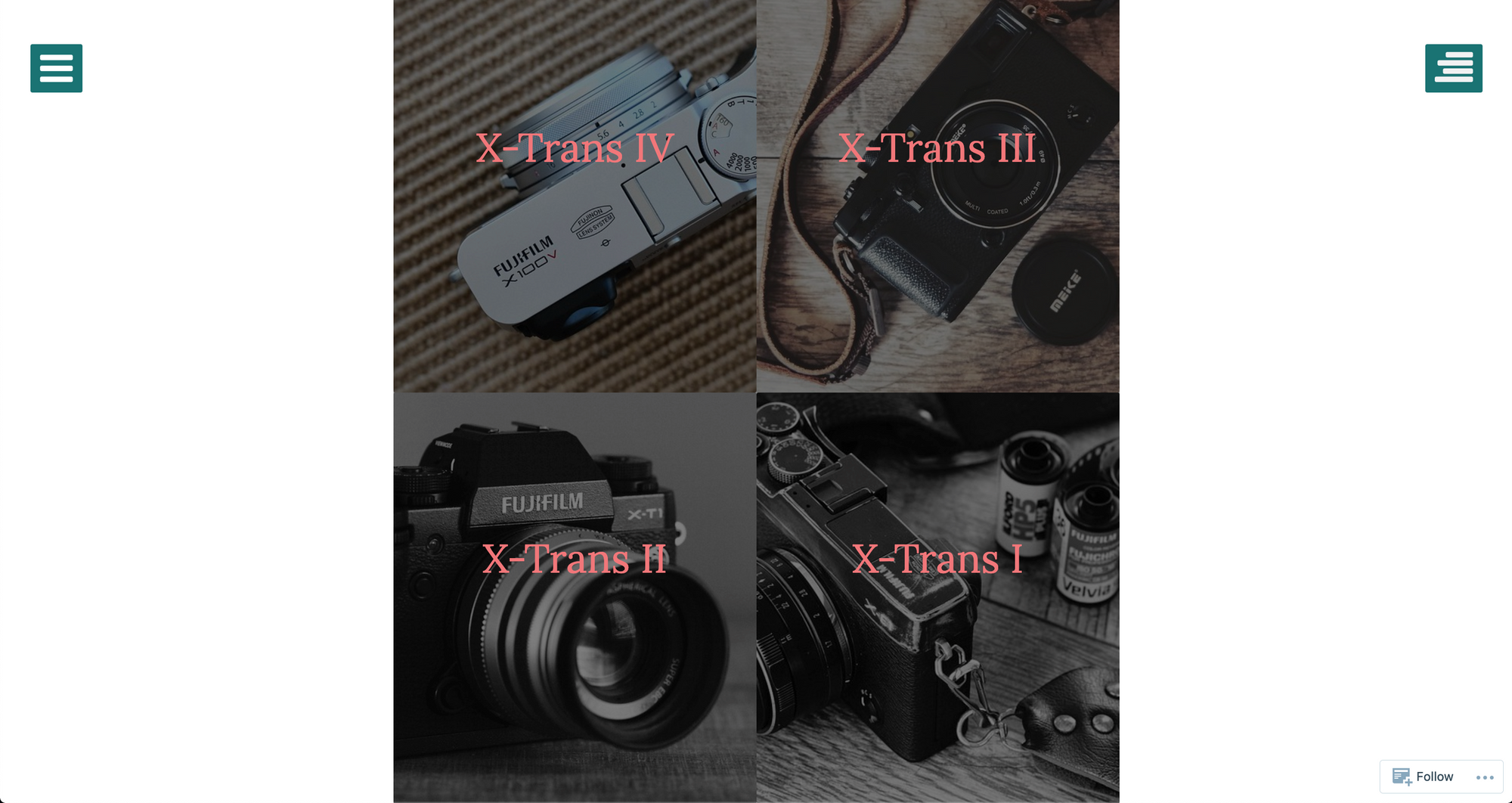
Fuji X Weekly has a full library of film simulation recipes for different Fujifilm sensors.
I have not tested all of them, and not every recipe will match my taste, but my experience with the Faux Classic Chrome recipe has been very good.
If you use Fujifilm cameras, especially older ones, it is worth browsing their library and seeing what fits your style.
Like
The more people have access to useful resources like this, the better.
Photography should not be locked behind expensive gear. Sometimes the camera you already have is enough. You just need to make it yours.
How To Save Custom Recipes
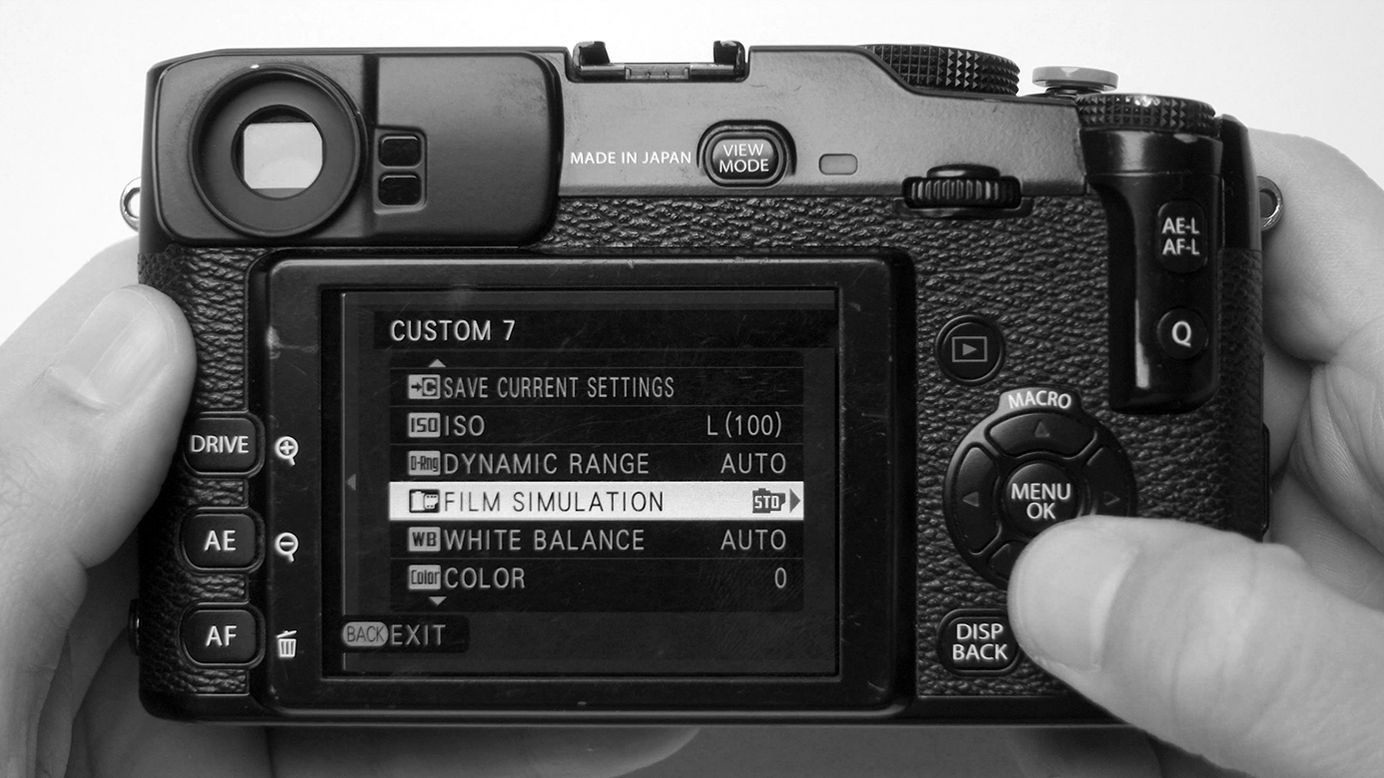
Custom profiles are the best way to quickly switch between different looks on Fujifilm cameras.
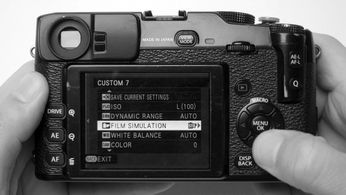
Once you save a recipe to your custom menu, you can switch to it through the Q-button and start shooting without rebuilding the settings every time.
I have explained this process in more detail before, so if you want a step-by-step guide, you can watch the video here:
Simulation Recipes: How To Create & Save Them On Your Camera
Related Fujifilm X-Pro1 Content
I also reviewed the Fujifilm X-E1 and made additional videos about setup, reasons to use it, and the overall shooting experience.
You can read the full review here:
 Jorge Perez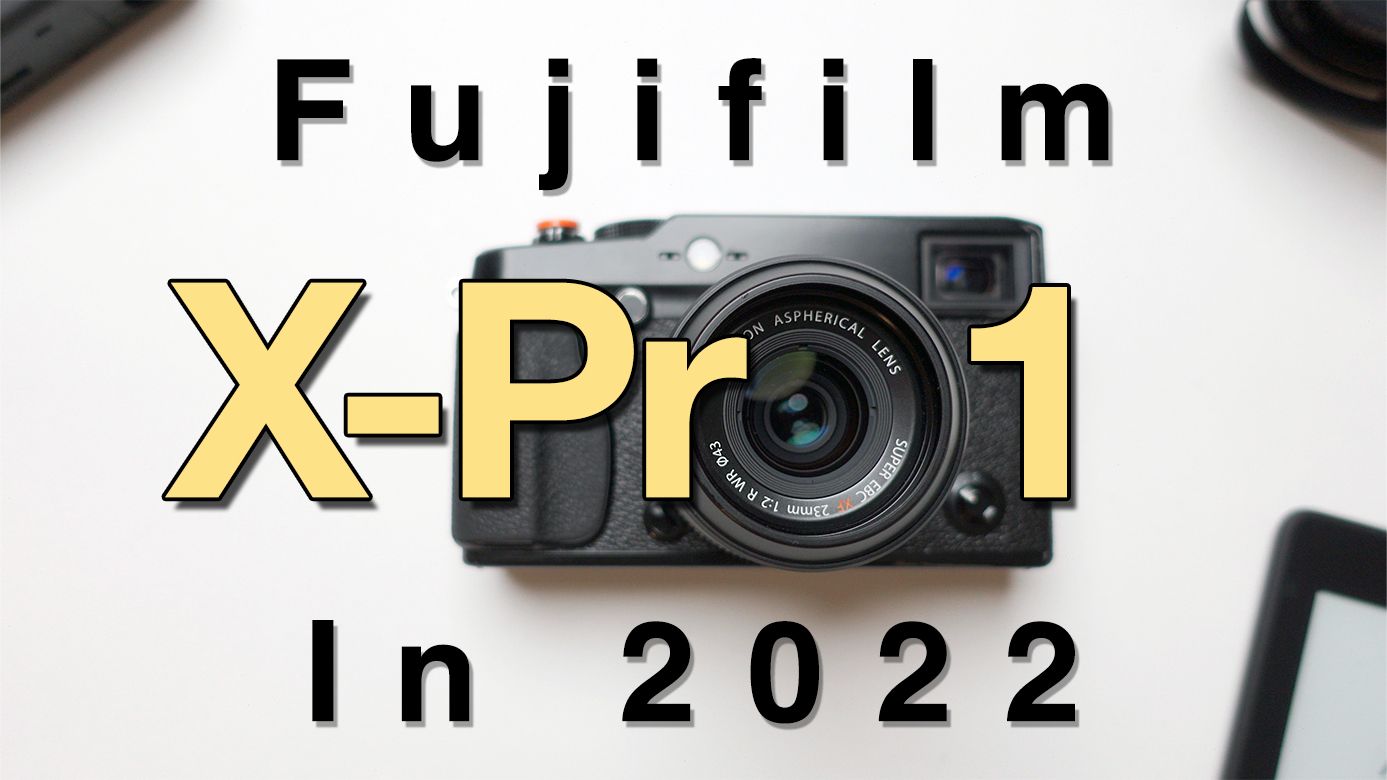
Or watch the full YouTube review here:
Related Fujifilm X-E1 Content
I also reviewed the Fujifilm X-E1 and made additional videos about setup, reasons to use it, and the overall shooting experience.
You can read the full review here:
Jorge Perez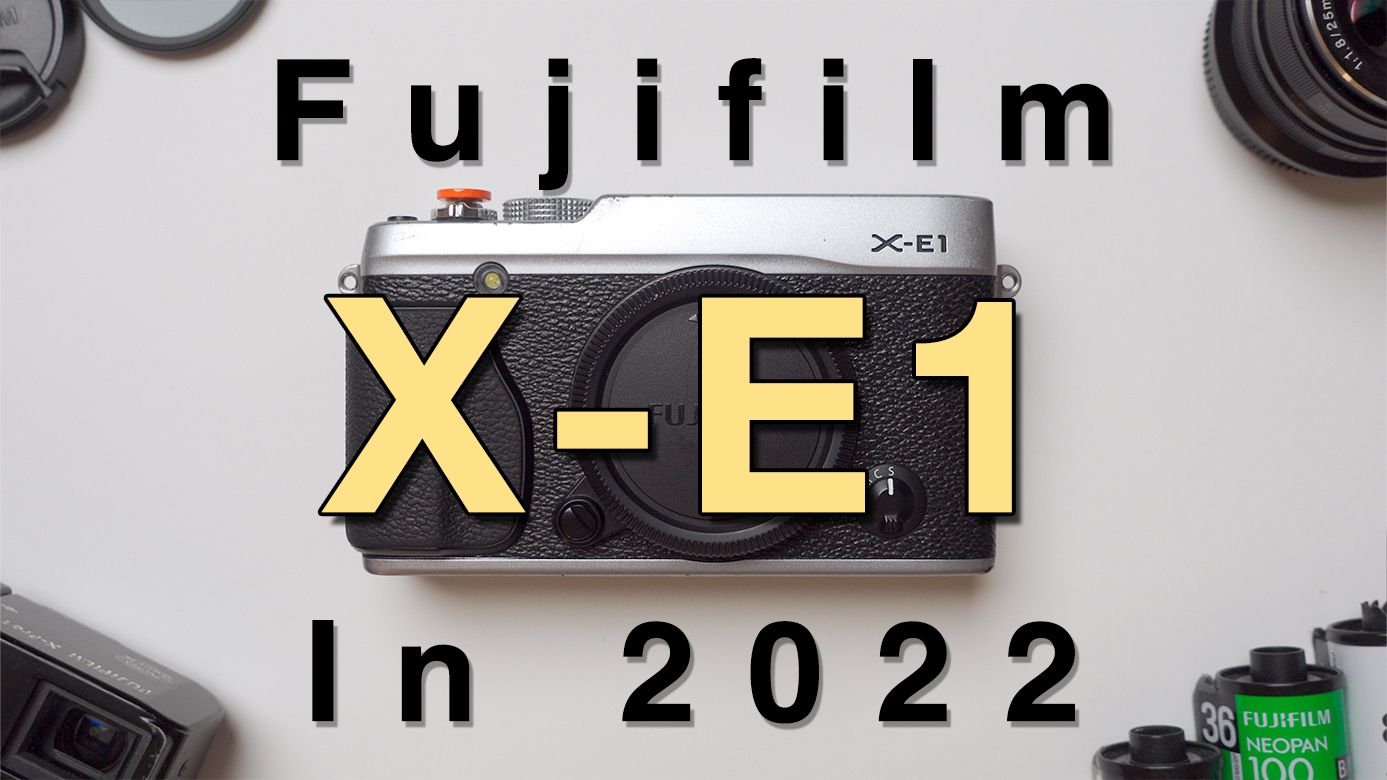
Or watch the related videos here:
Back-Button Focusing With Fujifilm Cameras
If you are curious about my preferred focusing method for cameras like the X-Pro1 and X-E1, I also made a video about back-button focusing.
For me, back-button focusing is about control.
It helps me separate focusing from the shutter, stay more intentional, and feel less like the camera is making decisions for me.
Final Thoughts
The X-Pro1 and X-E1 are old cameras now. That is not a weakness. That is the point.
They are not trying to be everything. They are not overloaded with every modern feature. They are slower, simpler, and more limited.
But if you connect with the way they render an image, they are still capable of beautiful work.
These recipes are just a starting point.
Use them. Change them. Make them your own.
The goal is not to copy someone else’s look forever. The goal is to build a camera setup that gets out of your way and helps you see more clearly.












)